


Do You Feel Like You and Your Partner Are Speaking Different Languages? Jodi Carlton, MEd, LLC Jodi Carlton, MEd

Neurodiverse Relationship Expert
Jodi Carlton, MEd
September 10, 2024
communication challenges, neurodiverse communication course, neurodiverse relationship communication
If you’ve ever felt like you and your partner are speaking two completely different languages, you’re not alone. This disconnect can cause more problems in a relationship than you might realize, especially when it comes to neurodiverse relationship communication. While the concept of “love languages” gets a lot of attention, the issue of communication differences goes far beyond how we express love. This is especially true in neurodiverse relationships, where one or both partners may have unique communication styles shaped by neurodivergence.
Understanding Communication Differences in Neurodiverse Relationships
Most of us are familiar with Gary Chapman’s 5 Love Languages, a framework that helps individuals identify how they both give and receive love. Recognizing these preferences can improve relationships by fostering empathy and better communication. However, love is just one of many areas where partners might be “speaking” in different ways.
In neurodiverse relationships—where one partner may be autistic, have ADHD, or experience another form of neurodivergence—these communication differences can be even more pronounced. For example, an autistic individual might take language very literally, while their neurotypical partner uses more abstract or metaphorical expressions. This can lead to confusion, frustration, and feelings of being misunderstood.
Common Communication Challenges in Neurodiverse Relationships
Take a couple where one partner is neurotypical, and the other is on the autism spectrum. The neurotypical partner might say, “I need more help around the house,” meaning they want their partner to be more proactive. However, the autistic partner might interpret that literally, responding with, “You just need to ask for help when you need it.” The neurotypical partner, expecting their partner to “just know,” might feel unsupported, while the autistic partner is confused about what they did wrong. Both are speaking their own “language,” but they aren’t understanding each other.
How Personal Experiences Shape Neurodiverse Relationship Communication
This is something I experienced in my own relationships. I once dated an autistic man for nearly two years, and we often misunderstood each other because of our different communication styles. He was raised in a military family that moved frequently around the world, so his background was very different from mine. We often had to look up words in the dictionary because we each had completely different interpretations of the same conversation. And in many cases, both of us were correct—we were simply using the same words in different ways.
Even in relationships where both partners share a similar background, differences in how we use language can lead to misunderstandings. I experienced this with my ex-husband, who grew up just a couple of hours north of me. We’d regularly stumble upon expressions that meant one thing to him and something completely different to me.
I created a communication model based on my own experiences with my neurodiverse family and friendships. Now, you can gain the essential tools to bridge the gap between different ways of thinking, feeling, and understanding.
Why Misunderstandings Happen in Neurodiverse Relationships
In neurodiverse relationships, these misunderstandings are even more likely. Partners may interpret body language, tone of voice, and even word choice differently. For instance, someone with ADHD might jump from one topic to the next during a conversation, leaving their partner feeling confused or overwhelmed by the rapid shifts. On the flip side, a neurotypical partner might expect more predictability in conversations, which can lead to frustration for both parties.
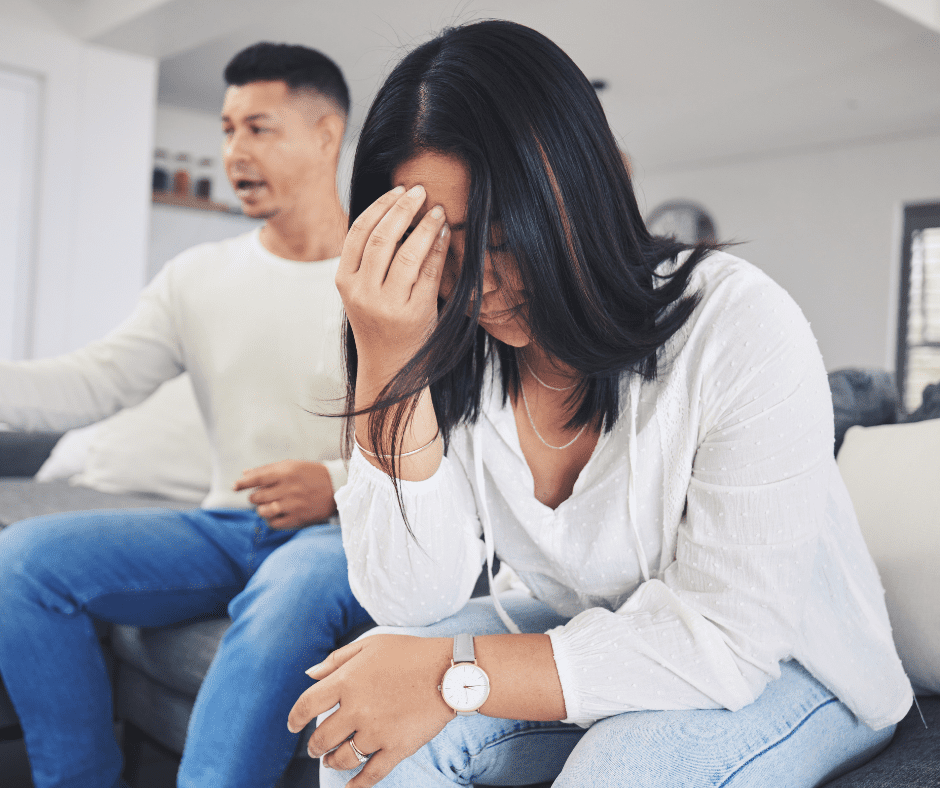
It’s no surprise, then, that conflicts often arise from these differences. Sometimes, it may be a small disagreement, but other times it can escalate into a full-blown argument. Consider a conversation like this:
“That’s what I said!”
“No, you said ___________.”
“Right, I said ______________.”
“What are you talking about? You’re making no sense.”
“You’re crazy! I don’t even understand what you’re saying.”
These kinds of misunderstandings are common in neurodiverse relationships, where communication styles can be vastly different due to cognitive and neurological differences. However, the good news is that these challenges can be overcome by learning more about each other’s communication styles.
Most people have some awareness of their own communication habits, but often we’re not as insightful as we think. In fact, our native communication style is a bit like our accent—we don’t notice it because we’re so accustomed to it. In relationships, especially neurodiverse ones, it’s crucial not only to understand our own communication “language” but also to learn the language of our partner.
Building Stronger Neurodiverse Relationships Through Better Communication
The communication model I developed is specifically designed to help couples—especially those in neurodiverse relationships—overcome these challenges. If miscommunication feels like a recurring issue in your relationship or if it is teetering on the edge due to communication breakdowns, this approach can help.
Strengthen your relationship by bridging the communication gap, especially in neurodiverse dynamics. Understanding each other’s unique communication styles is key to building a healthier, more supportive partnership.
The post Do You Feel Like You and Your Partner Are Speaking Different Languages? first appeared on Jodi Carlton, MEd, LLC.