


Neurodivergent Holidays: Setting Boundaries and Managing Expectations for a Stress-Free Season Jodi Carlton, MEd, LLC Jodi Carlton, MEd

Neurodiverse Relationship Expert
Jodi Carlton, MEd
November 18, 2024
holiday stress, neurodivergent holidays, neurodiverse couples
Holiday time can be a time for connection and gratitude, but it can also bring stress, sensory overload, and social fatigue—especially for neurodivergent individuals and neurodiverse couples. Navigating the hustle and bustle of the holidays doesn’t have to feel overwhelming. With some preparation and thoughtful self-care, you can make the day more enjoyable and less draining.
Here are some practical self-care tips to help you thrive this neurodivergent holiday season.
1. Create a Sensory Escape Plan for Social Gatherings
Holiday gatherings often include bright lights, noisy conversations, and lots of activity that can quickly lead to sensory overwhelm. Before any social event or gathering, identify a quiet place to retreat if needed. If you aren’t familiar with the location, as with a company party, this might be the restroom or your car.
At family gatherings, It could be a spare bedroom, a quiet corner, or even a walk outside. Bring along noise-canceling headphones, sunglasses, or sensory tools that help you stay grounded. Knowing you have a safe space or tools to manage stimulation can reduce anxiety and help you feel more in control.

2. Identify Expectations and Set Boundaries
Social Events
For many neurodivergent individuals, social interactions can be draining. Plan ahead by deciding how long you’ll stay at gatherings. Check-in with yourself about your comfort level or anxiety about attending social events. Use a strategy to determine what is truly necessary to attend and which ones you can skip. As someone with ADHD and a family of ADHD and autistic individuals, I developed a tool that helps us all determine how important social events are and how much they will impact our lives. I teach this tool to my neurodiverse clients and couples and share it (and other useful tools) in my course, “The Holiday Stressbuster Toolkit for Neurodiverse Couples.”
Gift Giving
Gift-giving and receiving can be a source of stress during the holidays, especially for neurodivergent individuals who may struggle with the unspoken rules, financial pressures, or emotional nuances tied to giving and receiving. To reduce anxiety, discuss expectations with friends, family, and your partner well in advance. Start by discussing whether you’ll exchange gifts at all—if you’re not sure about an expectation, ask for clarification.
Set parameters that feel manageable such as a budget limit, homemade gifts, or even a “no gifts, just quality time” policy. Being upfront about what works for you can prevent misunderstandings or last-minute pressure.
Communicate with your partner about how you each approach gift-giving. For example, one partner might view gifts as a love language, while the other prefers practicality or may not fully understand the emotional significance of certain gestures. Talk openly about preferences, and remember, it’s okay if your styles differ—clarity can help avoid hurt feelings or unmet expectations.
By sharing gift-giving expectations, you create an environment where everyone can feel comfortable and appreciated without the added stress of navigating assumptions or disappointments.
3. Keep Your Favorite Comfort Items Handy
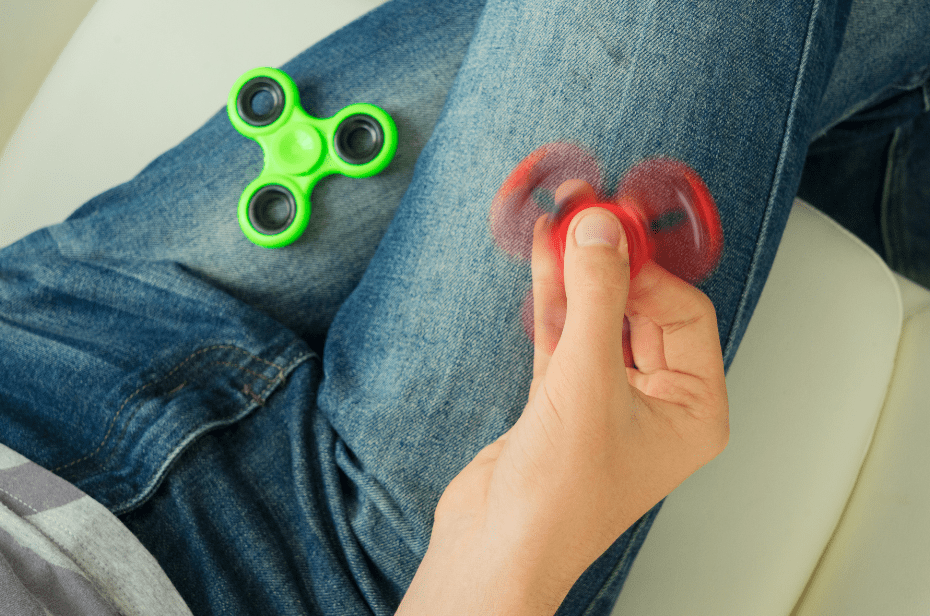
Sometimes, the simplest things can provide the most comfort. Identify items that help you feel grounded, such as a favorite fidget, a cozy sweater, or a snack you love. These small touches of familiarity can be calming to your nervous system and can be especially helpful in an unfamiliar environment such as holiday gatherings. Having something tangible to focus on can also help reduce anxiety.
4. Practice Clear Communication with Your Partner
For neurodiverse couples, holiday gatherings can highlight differences in social needs and communication styles. Touch base throughout the day to communicate your comfort level or feelings of anxiety or stress – set reminders on your phone to check in with one another at holiday gatherings. If you’re feeling overwhelmed, don’t hesitate to say, “I need a few minutes alone.” Establish a “code word” or signal you can use if either of you needs to leave or take a break. These small efforts can help both of you feel respected and supported and will prevent exhaustion and frustration.

5. Plan for Down Time Following Social Events
Even the best holiday experiences can be exhausting. Schedule time to recharge after the festivities (even if it’s Christmas morning at home with the family). Whether by taking a nap, reading a book, or unwinding with a favorite movie, give yourself permission to relax and recover from sensory or social fatigue. This step is just as important as the event itself—your mind and body will thank you.

Tools to Navigate the Holidays with Ease
The holidays don’t have to be a source of stress. By planning ahead and prioritizing self-care, you can enjoy the holiday in a way that feels good for you and your partner. Remember: it’s okay to prioritize your own well-being, even during a busy holiday.
While I’m fully booked for one-on-one consultations this holiday season, you can still get started on your journey to a stress-free season! My ‘Pay What You Can Afford’ course, designed specifically for neurodiverse couples, is available instantly. Get the tools you need today by visiting https://jodicarlton.com/courses/.
Here’s to a holiday season filled with more peace, connection, and joy—on your own terms.

The post Neurodivergent Holidays: Setting Boundaries and Managing Expectations for a Stress-Free Season first appeared on Jodi Carlton, MEd, LLC.